June 2026: Advancing Civic Readiness on the Eve of America 250

Advancing Civic Readiness on the Eve of America 250

States Answer the Call for Stronger Civics Ahead of the 250th

As we mark the nation’s 250th anniversary, state legislatures have risen to the occasion to sustain and strengthen the foundations for self-government through civic education. Forty states considered 245 bills concerning K–12 civic education this spring. Two-thirds of these bills aligned with the CivxNow State Policy Menu, securing major wins including high school civics courses in Alaska and Mississippi, a $2.6M investment in New York, and expanding civic seals to 19 total states.

While the civic learning field has much to celebrate this weekend on this seminal anniversary, the 250th is but the first mile in a marathon to ensure the rising generation can sustain and strengthen this audacious experiment in self-government.

More Than Ink and Parchment—Tracing the Living History of the Declaration

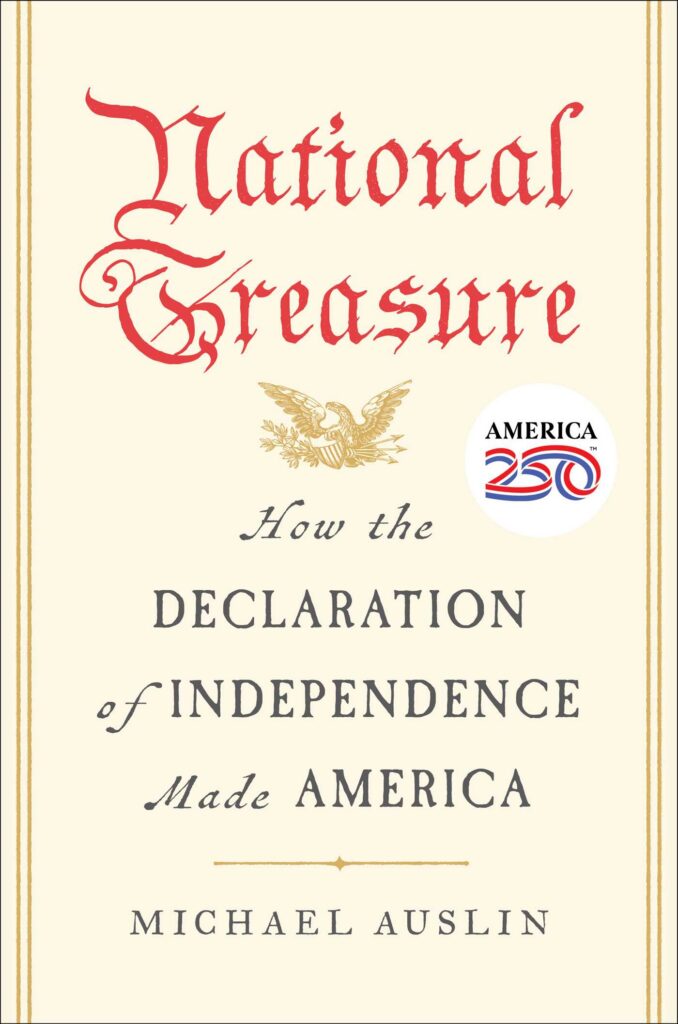
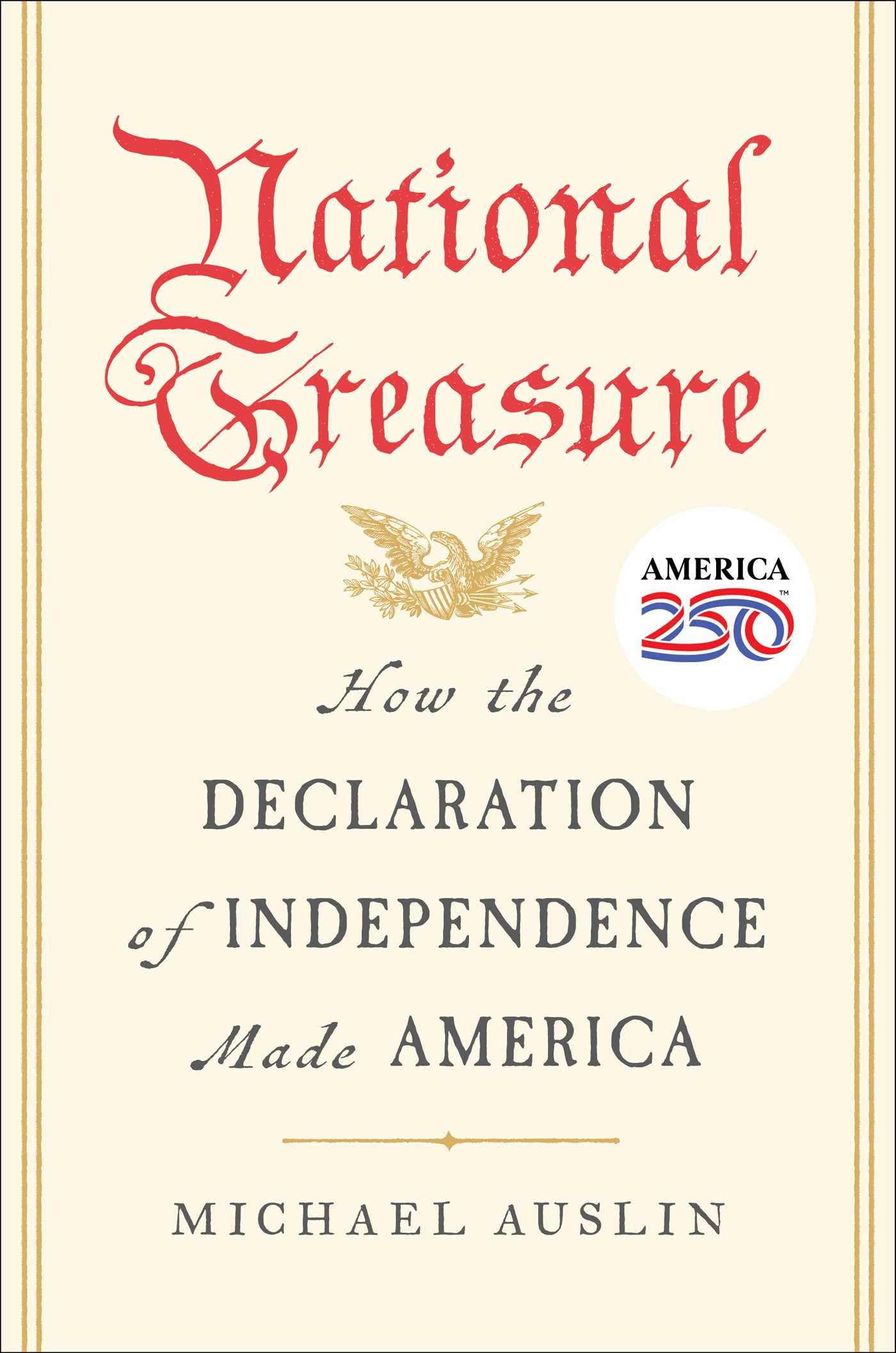
In his timely new book, National Treasure: How the Declaration of Independence Made America, Michael Auslin traces the 250-year journey of the Declaration of Independence and how its reproductions and the debates over its meaning have shaped our nation.

From the Declaration’s early survival during the War of 1812 to President Lincoln trumpeting its lofty ideals to preserve the Union, the book highlights how marginalized groups have perennially invoked the Declaration’s words to challenge the country to live up to its founding creed. Auslin’s careful documentation is an important contribution during this seminal year, compelling us to write the next chapter and carry the birthright of these ideals forth for generations to come.

National Treasure book cover

On the Road

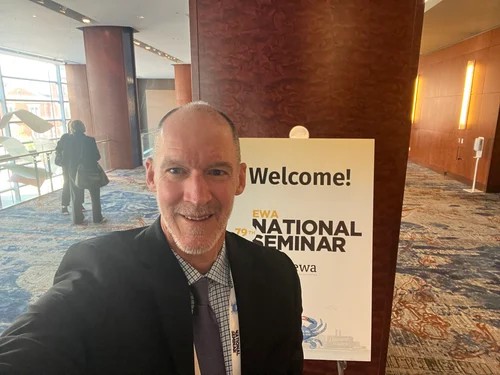
Shawn Healy at Education Writers Association National Seminar

Education Writers Association

At the 79th annual Education Writers Association National Seminar, iCivics Chief Policy and Advocacy Officer Shawn Healy joined a panel of experts to discuss policy progress, experiential programming, and the impact of the upcoming 2028 state-level NAEP Civics Assessment data.

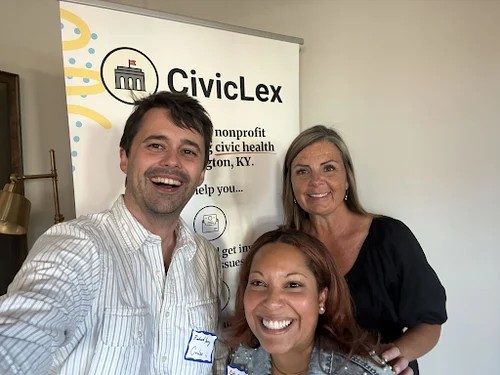
Chloe Jordan at state civics convening

State and National Civic Convenings

iCivics State Policy Lead for the Southeast Chloe Jordan recently engaged with civic leaders and educators at both the Lifelong Civic Learning Convening in Kentucky and the 2026 TN Civics Academy.

Jordan also attended the Brookings on the Hill: Civics at 250 event in Washington, D.C., which included a cross-partisan panel with Senators Angus King (I-ME), James Lankford (R-OK), and Tim Kaine (D-VA), co-sponsors of the CIVICS Act of 2025 (S. 2841).

Coalition Partner Spotlight: U.S. Soccer & Soccer Forward Foundation

With the United States entering a defining era for soccer, Soccer Forward Foundation, U.S. Soccer’s legacy and social impact arm, uses soccer as a force for good to strengthen students and their communities. As an official CivxNow member, their Soccer at Schools national effort expands access to soccer to support movement, connection, and social-emotional learning.

Because sports are often young peoples’ first introduction to democratic processes, expanding access to soccer helps shape their civic, problem-solving, and collaboration skills, ultimately expanding access to civic participation and engagement.

In the News

As we’re counting down the final days until the 250th, civics is everywhere in the news:

  • The Christian Science Monitor looked at our nation’s civic education renaissance on the eve of the semiquincentennial.
  • Both More Perfect and AEI released surveys that speak to weakening faith in democracy and the need for more civics.
  • USA Today visited a civics classroom in Virginia and spoke to teachers across the country about how civics can bridge divides. 
  • NPR took us inside the National Constitution Center as it made its museum accessible during A250.

Coalition Members

We remain deeply appreciative of member efforts and all that we accomplish together. Our goal is to aggregate and activate large networks of support to expand and re-imagine civic education as a force for civic strength. To our members, thank you for your partnership.

If your organization is interested in joining CivxNow or in learning more, please contact us at CivxNow@icivics.org.

Related Posts

States Answer the Call for Stronger Civics Ahead of the 250th

The moment we’ve been building toward is finally here: the 250th anniversary of the signing of the Declaration of Independence. But the 250th also represents a call to action for our own times, ensuring that each member of our society has the civic knowledge, skills, and dispositions necessary to sustain and strengthen this audacious experiment in self-government set in motion more than two centuries ago. It’s fair to say that state legislatures answered the call this spring, with 40 states considering 245 bills concerning K–12 civic education.

Each spring session, we assess emerging state legislation to determine whether it aligns with the CivxNow State Policy Menu and advances civic learning. Of the 245 bills filed, two-thirds of them (160) aligned. Categorically, the bills concerning civics curriculum were most prolific (42 in total), followed by course-time requirements (38), instruction in information literacy (36), and appropriations for civics (30). And as we noted last month, there were 22 bills to establish state civic diploma seals programs.

While the collective fate of this body of legislation is still in progress, we are able to celebrate significant state wins across the national landscape:

  • Alaska and Mississippi established high school civics courses and instructional requirements, respectively. Alaska’s law also tacks on a civics assessment, including a project-based option.
  • New York’s budget includes a $2.6M investment in civic learning and information literacy.
  • Utah will require a middle school digital literacy course and also ensure that educators have the instructional materials and professional development necessary to integrate digital literacy throughout students’ K–12 trajectory.
  • Student civic seals programs were adopted in the following six states: Alaska, Connecticut, Idaho, Iowa, Maryland, and New Hampshire.

The civic seals momentum is particularly notable, as these states join the existing 13, equaling 19 states with established programs. Seals legislation also progressed this spring in Minnesota and Missouri, and remains active in New Jersey and Pennsylvania. Seven other states also have civic seals pilot programs and/or are contemplating seals legislation next spring: Illinois, Kentucky, Massachusetts, New Mexico, Utah, Vermont, and Washington.

It’s fitting that states celebrate student excellence in civic education on the eve of the 250th, and it is our hope that universal state adoption occurs by 2030. 

  • Civic seals operationalize state graduate portraits that emphasize discussion across difference, community engagement, and information literacy;
  • They encourage local education agencies to thread civic learning opportunities throughout students’ K–12 experience; and 
  • Seals legitimize students’ civic readiness as they matriculate in college, pursue careers, and participate in the civic life of their communities.

In sum, the civic learning field has much to celebrate this weekend on this seminal anniversary for our country. However, the 250th is but the first mile in a marathon that extends through similar milestones for the U.S. Constitution (2038) and Bill of Rights (2041). After the fireworks  fade, let’s carry forth this spirit of 2026 into the next legislative biennium and beyond.

Book Review: More Than Ink and Parchment—Tracing the Living History of the Declaration

Twenty years ago, as resident scholar at the McCormick Foundation’s Freedom Museum, I guarded a Dunlap Broadside of the Declaration of Independence on opening night, ensuring its safety from guests’ refreshments. Only 21 known Dunlap copies exist of what was the first public pronouncement of American independence, and this was my first encounter with the Declaration’s sacred lineage. The broader 250-year journey of the original document and its many reproductions and debates over its meaning are the subject of author Michael Auslin’s timely new book, National Treasure: How the Declaration of Independence Made America.

Auslin begins with the series of events that led to the Continental Congress assembling in Philadelphia and delegating the task of authoring the Declaration to Thomas Jefferson, John Adams, and Benjamin Franklin, among others. Adams was arguably the strongest political force for independence, but he acknowledged that Jefferson was both a better writer and situated strategically in Virginia. 

The vote for independence actually occurred on July 2, but the final wording of the Declaration of Independence was formally adopted two days later on July 4. Jefferson was undeniably the lead writer, but 25% of his original draft was scrapped, and it reiterated arguments already well-established in the Revolutionary era. Moreover, the infamous signing of the engrossed document did not occur until later in the summer (and beyond, with the final signature not coming until January 1977).

Attention to the Declaration receded as the Revolutionary War ended and the new Republic struggled to govern an increasingly continental nation. This shifted when the United States defeated the British for a second time in the War of 1812. During Great Britain’s burning of Washington, D.C., a well-established myth has First Lady Dolly Madison saving the Declaration on her way out of the soon-to-be renamed White House. While Madison did save a portrait of George Washington, it was State Department employee Stephen Pleasonton who outran the British with the Declaration on his wagon heading out of town, preserving America’s founding document for posterity.

The Civil War was of course the ultimate test of the still fledgling nation. In fact, Jefferson’s condemnation of the slave trade in his first draft of the Declaration was among the passages removed by the larger congressional committee. President Lincoln trumpeted the lofty ideals of the Declaration in his quest to preserve the Union and ultimately end slavery.

A theme throughout Auslin’s tome is how marginalized groups invoked the words of the Declaration to challenge the country to live up to the true meaning of its founding creed. This includes abolitionists like William Lloyd Garrison and Frederick Douglass, the women’s rights advocates of Seneca Falls, and civil rights leaders like Martin Luther King, Jr. The author acknowledges that this struggle is perennial and in part what makes America exceptional. 

Since the War of 1812, Americans have yearned to see the Declaration with their own eyes and hold its reproductions in their hands. Modern science continues to make this possible as school groups and tourists line up at the National Archives to see the nation’s sacred texts, the Constitution and Bill of Rights included, and later purchase facsimiles from the gift shop as personal keepsakes.

Auslin’s careful documentation of the Declaration’s provenance is an important contribution to existing scholarship during this seminal year. We are currently writing the next chapter during its semiquincentennial and are compelled to carry the lofty ideals of our birthright forth for generations to come.