May 2026: Building State-level Momentum for the 250th and Beyond

News From the Front Lines of Civic Education

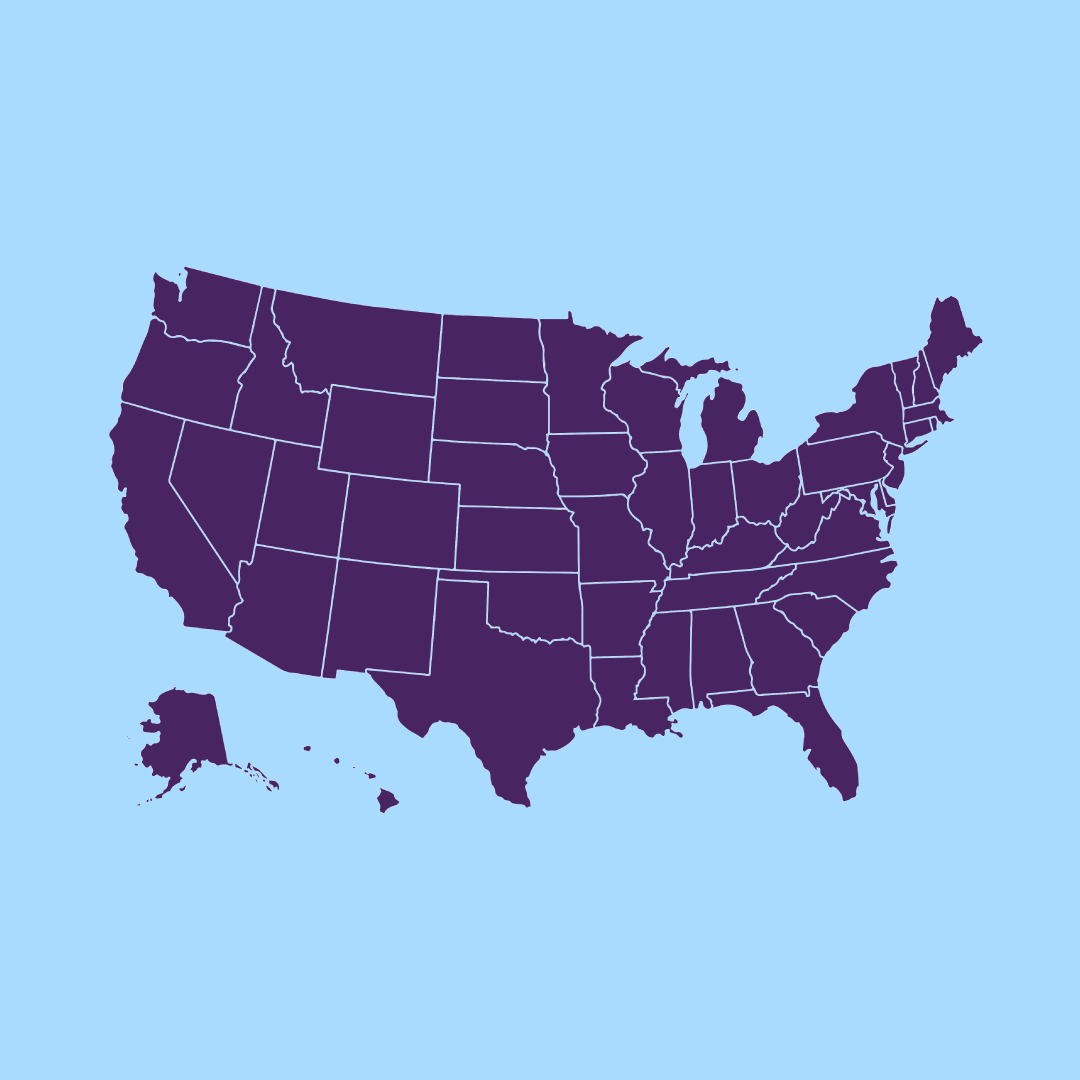
Leveraging Momentum for Civic Learning Through America 250 State Commissions

As we quickly approach the 250th anniversary of the Declaration of Independence on July 4, it’s crucial to acknowledge the role that states play in uplifting civic learning and engagement within their communities.

Across the country, state commissions are using this opportunity to regain momentum for civics by sharing unique educational initiatives, grassroots school-based activities, and student competitions. For these groups, the nation’s 250th serves as a starting point rather than a finish line. As we enter into Civic Season, consider how your own state and communities are contributing to this civic momentum.

NAEP Civics Revisions Approved, State-level Data Forthcoming

On May 15, the National Assessment Governing Board (NAGB) approved an updated assessment schedule that expands the National Assessment of Educational Progress (NAEP) in civics, allowing for state-level data for 8th graders in 2028 and 12th graders in 2032.

revision to the NAEP civics framework for the first time since 1998, aligning the “Nation’s Report Card” with modern research and the demands of a digital democracy. This is a massive win for the civic learning field, providing state-level data to evaluate the impact of varied policies and investments to help sustain and strengthen our constitutional democracy.

Icon of the United States of America

On the Road

panel of speakers at Connecticut Civic Learning Coalition event

Youth Service America Summit

Last month, iCivics Chief Policy & Advocacy Officer Shawn Healy had the privilege of attending the Youth Service America (YSA) Summit hosted by the Johnson Family Foundation at their historic Wingspread Conference Center in Racine, WI. YSA aspires to double youth service among 5–25 year olds over the next decade and make it a universally accessible option and expectation for future generations. Thirty cross-sector participants discussed the coordination, funding, activation, and recognition necessary to make this inspiring goal a reality.

attendees at Indiana Civics Summit

Funders’ Committee for Civic Participation

The Funder’s Committee for Civic Participation (FCCP) invited iCivics Chief Policy & Advocacy Officer Shawn Healy to provide a “community talk” on May 12 at its annual convening in Philadelphia. Titled “Collective Action for Civics in Celebration of America at 250,” Healy spoke of how his experiences as a high school civics teacher and foundation program director helped shape his advocacy for stronger state civic education policies in Illinois and now nationally at iCivics in partnership with CivxNow coalition members. FCCP encouraged attendees to courageously convene and take collective action, both critical ingredients of CivxNow’s work in the past five years that has yielded policies advancing civic education in 34 states and a quadrupling of federal funding for civics.

Coalition Partner Spotlight: Jack Miller Center

This month, the CivxNow team and coalition partners participated in the Jack Miller Center’s National Summit on Civic Education, where 500 civic leaders explored the importance of texts to American political tradition and the legacy of the Declaration of Independence.

The Jack Miller Center advances civic learning by anchoring student education in America’s founding principles and history. To support teaching these foundational ideas, they provide professional development, research workshops, and innovative learning tools to a robust network of scholars and K–12 teachers.

In the News

The school year is ending, but stories about civic education are picking up:

  • Danielle Allen brought CivxNow to The New York Times Sunday op-ed page in a piece exploring how civic education can combat polarization.
  • iCivics and The Carnegie Corporation of New York made the case for why civic education should be a focus in The Chronicle of Philanthropy.
  • Both Education Week and The 74 Million covered significant changes to NAEP Civics.
  • Six in ten Californians believe that civic education should be a priority, but only half believe the state is doing a good job at teaching it. This Public Policy Institute of California piece discusses closing the gap.
  • U.S. Supreme Court Justice Gorsuch talked with Fox News about the decline of civic education.

Coalition Members

We remain deeply appreciative of member efforts and all that we accomplish together. Our goal is to aggregate and activate large networks of support to expand and re-imagine civic education as a force for civic strength. To our members, thank you for your partnership.

If your organization is interested in joining CivxNow or in learning more, please contact us at CivxNow@icivics.org.

Related Posts

Leveraging Momentum for Civic Learning Through America 250 State Commissions

As we quickly approach the 250th anniversary of the Declaration of Independence on July 4, 2026, it’s crucial to acknowledge the role that states have, and will continue to play, in uplifting civic learning and engagement within their communities. 

Each U.S. state, territory, and the District of Columbia has its own commission to commemorate the nation’s semiquincentennial. In partnership with Paul LaRue, President of the Ohio State Board of Education and Co-Chair for the America 250 Ohio K–12 Education Committee, the CivxNow team facilitates a monthly State Commission K–12 Working Group, with representation from 47 states, the U.S. Virgin Islands, and Puerto Rico. Commission attendees share their own initiatives, hear from guest speakers, and learn from other state commissions how to adapt and uplift youth civic education and engagement in their own communities. 

Commissions are using this opportunity to regain momentum for civics, with just a few of the great efforts happening across the country highlighted below:

  • The Journey Across Arkansas framework takes students on expeditions through state standard-aligned monthly themes, classroom resources, student showcase opportunities, and civic engagement and service pathways. Arkansas Celebrates America 250 will create professional learning opportunities to discuss how these resources can still be used beyond the nation’s 250th anniversary year.
  • Alongside the nation’s 250th anniversary is Colorado’s 150th anniversary. This joint commemoration will feature “Becoming Colorado,” a five-part educational documentary for Colorado classrooms that meets state academic standards and allows students to connect through their state’s past.
  • Through its Civics Moonshot programming, the Maryland 250 Commission committed to civic engagement by hosting several initiatives: the Mock Second Continental Congress/Constitutional Convention, Civics Book Club, Statewide Essay Contest, and Civic Challenge.
  • The New York State 250th Commemoration Commission amplified Civic Learning Week throughout its local communities, receiving a Civic Learning Week 2026 proclamation in Erie County, NY.
  • America 250-Ohio has encouraged grassroots school-based activities. The Wayne County Schools Career Center in northern Ohio and Garfield Middle School in southern Ohio each organized day-long programs for their school communities that included the planting of a Liberty Tree by the Future Farmers of America Chapter and a student reading of the Declaration of Independence.

  • The Expressions of Freedom student competition, a partnership between the Virginia Department of Education and VA250, engages students through the study of civics, history, and democracy in an effort to promote the principles of engaged and informed citizens through their own ideas and perspectives.

For this State 250 K–12 Working Group, the nation’s 250th serves as a starting point rather than a finish line. In New Mexico, educational programming for America 250 doesn’t even begin until after July 4, 2026, with the beginning of the next school year. As we enter into Civic Season through the 250th anniversary date and into back to school season, consider how your own state and communities are contributing to this civic momentum.