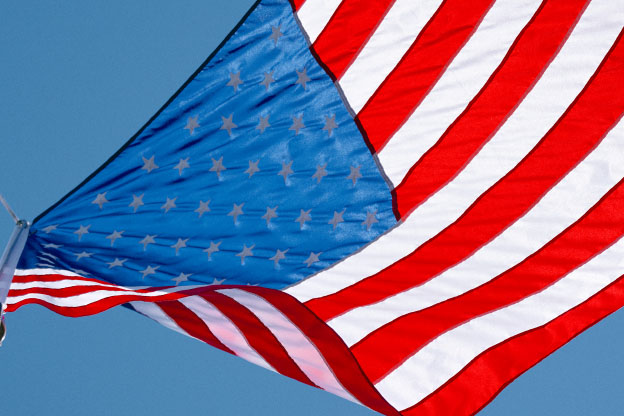
Welcome to the 250th anniversary of the Declaration of Independence, the celebration of a relatively young nation, but still the world’s oldest democracy. As we look into our crystal ball to predict the future, we know one thing for certain: July 4, 2026 will bring massive fireworks and the presentation of tall ships. Everything else is a bit hazy, but we, the members of the civic learning field, have a central role to play in preparing young people, and all of us, to write a positive script for the next 250 years of the American experiment.
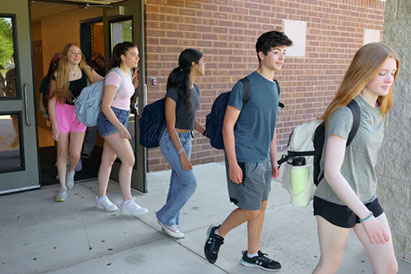
Consider this reality: A student entering kindergarten this year will graduate high school when this nation celebrates the 250th anniversary of the U.S. Constitution. In a nation where large portions of the public support the Constitution, but can’t name all three branches of government, what will we have done as a field to educate and empower that kindergartner in the coming years to ensure that when they complete high school they are informed and empowered to keep our constitutional democracy vibrant, strong, and secure? In kicking off this year, what can you do to build that brighter future?
- Join and promote a campaign: There are many possibilities, but two you might consider are America’s 100 Docs, led by the National Archives Foundation, and the Civic Star Challenge for teachers, led by iCivics and the Bill of Rights Institute. Fun contests with prizes can help bring this moment to life in a classroom near you.
- Encourage your state America 250 Commission to center civic learning: Each state commission will have its own program and priorities for the coming year. Ensure that they center young people and civic learning in those plans.
- Advocate to your elected officials: During the August recess, meet with your elected officials and ask them to use this moment to make a generational investment in America’s youth and their civic learning. (Contact Abbie Kaplan for more information.)
Democracy requires active participation. Let’s ensure that civic learning is America’s learning, this year and beyond.