The moment we’ve been building toward is finally here: the 250th anniversary of the signing of the Declaration of Independence. But the 250th also represents a call to action for our own times, ensuring that each member of our society has the civic knowledge, skills, and dispositions necessary to sustain and strengthen this audacious experiment in self-government set in motion more than two centuries ago. It’s fair to say that state legislatures answered the call this spring, with 40 states considering 245 bills concerning K–12 civic education.
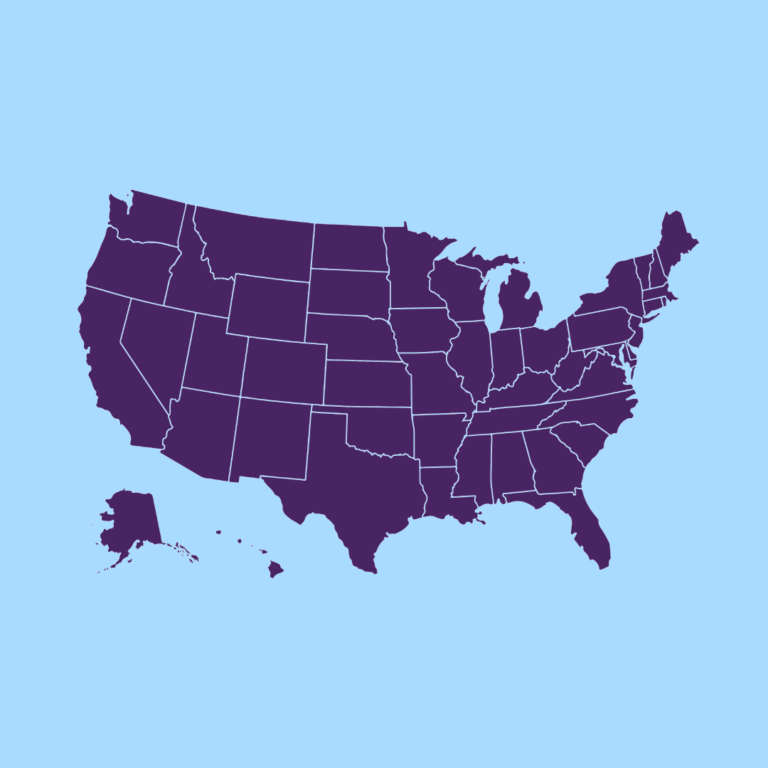
Each spring session, we assess emerging state legislation to determine whether it aligns with the CivxNow State Policy Menu and advances civic learning. Of the 245 bills filed, two-thirds of them (160) aligned. Categorically, the bills concerning civics curriculum were most prolific (42 in total), followed by course-time requirements (38), instruction in information literacy (36), and appropriations for civics (30). And as we noted last month, there were 22 bills to establish state civic diploma seals programs.
While the collective fate of this body of legislation is still in progress, we are able to celebrate significant state wins across the national landscape:
- Alaska and Mississippi established high school civics courses and instructional requirements, respectively. Alaska’s law also tacks on a civics assessment, including a project-based option.
- New York’s budget includes a $2.6M investment in civic learning and information literacy.
- Utah will require a middle school digital literacy course and also ensure that educators have the instructional materials and professional development necessary to integrate digital literacy throughout students’ K–12 trajectory.
- Student civic seals programs were adopted in the following six states: Alaska, Connecticut, Idaho, Iowa, Maryland, and New Hampshire.
The civic seals momentum is particularly notable, as these states join the existing 13, equaling 19 states with established programs. Seals legislation also progressed this spring in Minnesota and Missouri, and remains active in New Jersey and Pennsylvania. Seven other states also have civic seals pilot programs and/or are contemplating seals legislation next spring: Illinois, Kentucky, Massachusetts, New Mexico, Utah, Vermont, and Washington.
It’s fitting that states celebrate student excellence in civic education on the eve of the 250th, and it is our hope that universal state adoption occurs by 2030.
- Civic seals operationalize state graduate portraits that emphasize discussion across difference, community engagement, and information literacy;
- They encourage local education agencies to thread civic learning opportunities throughout students’ K–12 experience; and
- Seals legitimize students’ civic readiness as they matriculate in college, pursue careers, and participate in the civic life of their communities.
In sum, the civic learning field has much to celebrate this weekend on this seminal anniversary for our country. However, the 250th is but the first mile in a marathon that extends through similar milestones for the U.S. Constitution (2038) and Bill of Rights (2041). After the fireworks fade, let’s carry forth this spirit of 2026 into the next legislative biennium and beyond.