Civic Education Works
Research confirms that students who receive a comprehensive and high-quality civic education are more likely to be informed and actively engaged citizens and voters.
Independent research confirms our resources produce clear and tangible benefits to students—even after controlling for gender, ethnicity, and socioeconomic status. Even more promising: more than half the students that play our games in school play them again at home on their own time.
iCivics materials improve students’ civic knowledge, civic attitudes, and core literacy skills. Students are challenged to learn and engage with the material, and have fun in the process. New evidence is pointing to the power of matching iCivics games with authentic civic engagement experiences.
Key Findings
In the 51st annual Phi Delta Kappa poll of public attitudes on education (2019):
- 97% of Americans said civics should be taught;
- 81% of teachers say students should be required to take a civics class
- Parents (78%), all adults (79%), and teachers (85%) say schools should teach values as well as factual information
- 87–97% of all adults say public school classes on values should cover honesty, civility, respect for authority, and acceptance of people of different religions
- 81% say patriotism should be included
These findings mirror those of The Democracy Project report (2018) that found the most popular (89% support) initiative tested as a way to bolster democracy was to ensure that schools make civic education a bigger part of curriculum. This high level of support remained true across all age, gender, racial, political, socioeconomic, and geographic demographics.
Research Roundup
Prior Months’ Research Roundups:


Young Americans have decidedly negative views of news media and journalism, according to a national survey published in November 2025 by the News Literacy Project (NLP). Biased, Boring, and Bad follows up on NLP’s 2024 Survey of Teen Information Attitudes, Habits, and Skills.
Among the key findings:
- The vast majority of teens (84%; ages 13-18) surveyed expressed negative views of contemporary media.
- Teens believed that journalists engage in deceptive practices (81%) and don’t do anything well (66%). This includes giving advertisers special treatment; making up details, such as quotations; paying or doing favors for sources; and taking photos or videos out of context.
- Young people’s top recommendations to journalists are to be honest, factual, minimize bias, and improve balance.
As was evident in last year’s survey, teens with higher trust in news media had more positive views of professional journalists and news organizations. For example, high-trust teens were more than twice as likely to say that journalists correct errors when they happen, and are half as likely to believe that news organizations give advertisers special treatment.
NLP concludes the survey with three recommendations:
- Encourage young people to distinguish between standards-based journalism and other forms of information;
- Teach students verification skills and how standards-based newsrooms operate; and
- Foster accurate perceptions of journalism by challenging sweeping generalizations about modern media and exposing students to high-quality journalism.


Interview conducted by the Philanthropy Roundtable in conjunction with the CivXNow Policy Summit (2021)


Interview conducted in conjunction with the CivXNow Policy Summit (2021)


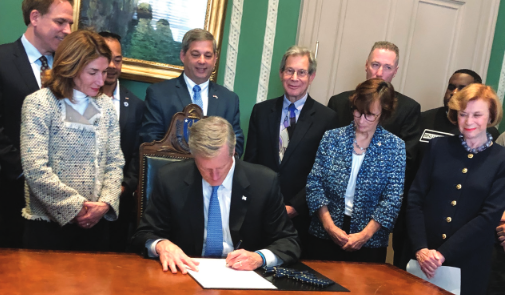
What states can learn from the passage of an act to promote and enhance civic engagement (2020)


Interview with Michael A. Rebell regarding civic readiness in New York (2020)


Multiple developments in Florida promise to continue the state’s leadership in providing K-12 civic learning (2020)
Video from Democracy at a Crossroads Summit (2019)
CivxNow documentary showing Chicago’s George Washington High School’s transformation driven by the civic investment of teachers, students, parents, and community members (2019)


Report by the California Task Force on K-12 Civic Learning (2014)